

FMCG Marketing Strategies in Africa: How Brands Can Win in a Dynamic Consumer Market
 Africa’s Fast-Moving Consumer Goods (FMCG) sector is one of the most exciting and competitive markets in the world today. With a rapidly growing population, increasing urbanization, expanding digital connectivity, and a rising middle class, the continent presents enormous opportunities for brands seeking growth.
However, succeeding in Africa requires more than simply importing global marketing strategies. Consumer behaviors vary significantly across regions, purchasing power differs widely, and trust plays a critical role in purchase decisions.
For FMCG brands, the challenge is not just reaching consumers—it’s building relevance, accessibility, and loyalty in highly diverse markets.
This article explores the most effective FMCG marketing strategies helping brands succeed across Africa today.
Understanding the African FMCG Consumer
Before developing any marketing strategy, brands must understand the realities shaping African consumer behavior. Consumers are increasingly value-conscious, digitally connected, and community-driven. Many purchase decisions are influenced by affordability, convenience, peer recommendations, and brand trust.In many markets, consumers buy products in smaller quantities due to income patterns. This has led to the success of single-use sachets, small pack sizes, and affordable product variants.
At the same time, smartphone adoption and social media usage continue to rise, creating new opportunities for brands to engage directly with consumers.1. Hyper-Local Marketing Wins
Africa is not a single market.A campaign that performs well in Nairobi may not resonate in Lagos, Accra, Johannesburg, or Kampala.
Successful FMCG brands localize their messaging, language, imagery, and cultural references to reflect local realities.
Key tactics include:- Creating region-specific campaigns
- Using local languages and dialects
- Partnering with community influencers
- Incorporating local traditions and cultural moments
- Celebrating national events and holidays
Consumers connect more strongly with brands that understand their daily experiences.
2. Leverage Social Media for Consumer Engagement
Social media has become one of the most powerful FMCG marketing channels across Africa. Platforms such as Facebook, Instagram, TikTok, YouTube, and WhatsApp influence purchasing decisions at every stage of the customer journey.High-performing FMCG brands focus on creating content that is:
- Entertaining
- Educational
- Relatable
- Shareable
- Community-driven
3. Invest in Influencer Marketing
Influencer marketing has evolved from celebrity endorsements to authentic community engagement. Many African consumers trust recommendations from content creators they follow more than traditional advertising.Micro-influencers often deliver higher engagement rates because they maintain closer relationships with their audiences.
The most successful FMCG influencer campaigns focus on authenticity rather than scripted promotions. Consumers want to see products integrated naturally into everyday life.4. Optimize Distribution and Availability
Even the best marketing campaign fails if consumers cannot find the product. Availability remains one of the biggest competitive advantages in FMCG marketing. Brands should invest in:- Strong distributor networks
- Retail partnerships
- Informal market penetration
- Last-mile delivery solutions
- Inventory visibility systems
Marketing and distribution strategies must work together.
5. Use Data-Driven Marketing
Data is becoming a major differentiator in African FMCG markets.Brands now have access to insights from:
- Social media analytics
- Mobile platforms
- E-commerce channels
- Loyalty programs
- Consumer surveys
- Buying behavior
- Consumer preferences
- Geographic demand patterns
- Campaign performance
- Customer sentiment
Data-driven decision-making allows FMCG brands to allocate marketing budgets more effectively and improve return on investment.
6. Create Purpose-Driven Brands
African consumers increasingly support brands that contribute positively to society.Purpose-driven marketing is no longer optional.
Consumers want to know what a brand stands for beyond selling products. Successful FMCG brands are aligning themselves with causes such as:- Environmental sustainability
- Youth empowerment
- Women’s economic inclusion
- Education
- Health and wellness
- Community development
7. Embrace Mobile-First Marketing
Africa is a mobile-first continent.For millions of consumers, the smartphone is their primary gateway to information, shopping, entertainment, and communication.
FMCG brands should ensure that all digital experiences are optimized for mobile users. Effective mobile-first strategies include:- Mobile-friendly websites
- SMS marketing
- WhatsApp campaigns
- Mobile advertising
- Digital promotions
- Mobile payment integrations
8. Build Communities, Not Just Customers
The most successful FMCG brands understand that long-term growth comes from community building. Consumers want to feel connected to brands that share their values and understand their aspirations.Brands can foster communities through:
- Loyalty programs
- Online groups
- Brand ambassadors
- Interactive campaigns
- Events and activations
- Customer appreciation initiatives
9. Focus on Experiential Marketing
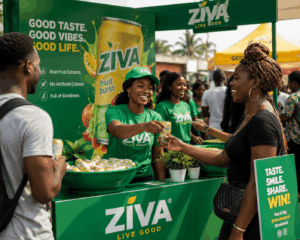
Product sampling and brand experiences remain highly effective across African markets. Consumers often prefer trying products before making repeat purchases. Experiential marketing allows brands to:- Generate awareness
- Build trust
- Gather feedback
- Encourage product trials
- Increase purchase intent
10. Integrate Traditional and Digital Marketing
While digital marketing is growing rapidly, traditional media remains influential in many African markets. The most effective FMCG campaigns combine multiple channels, including:- Television
- Radio
- Outdoor advertising
- Point-of-sale branding
- Social media
- Influencer marketing
- Mobile marketing
The Future of FMCG Marketing in Africa
The future belongs to brands that are consumer-centric, digitally agile, and locally relevant. As technology adoption accelerates and consumer expectations evolve, FMCG marketers must continuously innovate while staying deeply connected to local communities. Brands that combine data-driven decision-making, strong distribution networks, authentic storytelling, and purpose-driven engagement will be best positioned to thrive.Africa’s consumer market is growing, competitive, and full of opportunity. The brands that listen, adapt, and create meaningful value for consumers will be the ones that lead the next chapter of FMCG growth across the continent.